Major builder exits London as housing targets debated: 16 October
Taylor Wimpey's decision to pull out of London projects dominated housing debate this week, as Parliament discussed whether devolution and national targets can unlock delivery.
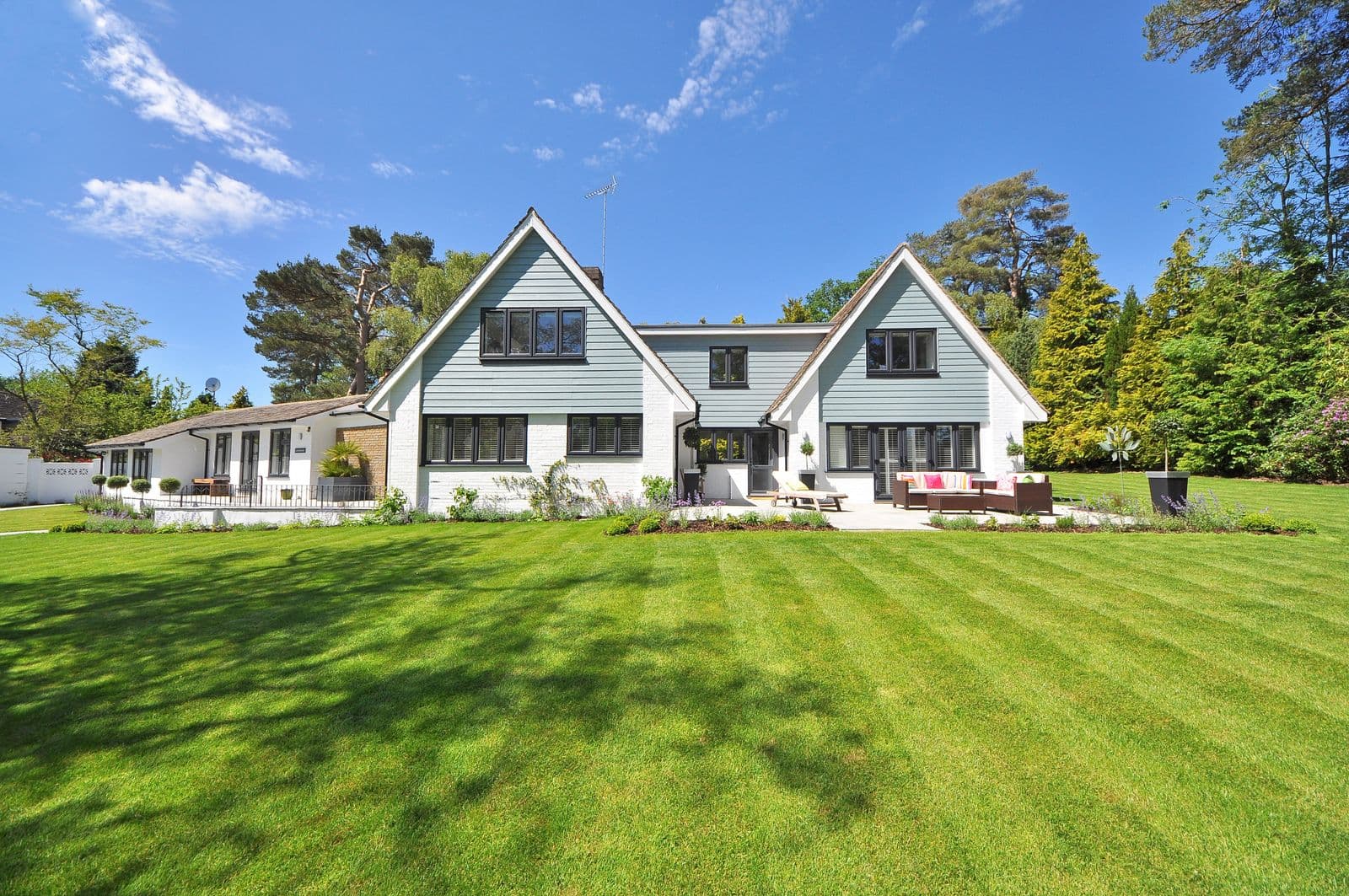
Image: Pexels
The week ending 16 October 2026 brought sharp focus to the gap between housing ambition and delivery. Taylor Wimpey, one of the UK's largest housebuilders, confirmed it has pulled out of further projects in London, citing evaporated financial reward. The announcement came as Parliament debated whether devolved powers and national housing targets can speed up delivery across England.
Why has Taylor Wimpey pulled out of London projects?
During a House of Lords debate on housing targets on 14 October 2026, a peer raised concerns that Taylor Wimpey had recently pulled out of any further projects in London. The peer quoted the company's chief executive as saying the reward for undertaking development in London has evaporated. The government minister responded that there are a number of factors affecting housebuilding viability, particularly in London, and pointed to emergency measures introduced in March 2026 by the government and the Greater London Authority to provide targeted support for housebuilders and quicker approvals.
The minister also highlighted up to 11.7 billion pounds allocated for London through the social and affordable homes programme, plus 1.5 billion pounds from a new low-interest loans scheme. However, the exchange underlined the tension between the government's 1.5 million homes target for this Parliament and the commercial challenges facing large developers in high-cost regions.
What did Parliament say about housing targets this week?
The House of Lords debated housing targets and devolution on 14 October. The government confirmed that mayors and strategic authorities will receive greater powers to support housing delivery within a national framework, enabling them to direct investment to reflect local housing needs. Baroness Taylor of Stevenage stated the government has no plans to amend the standard method for assessing housing need introduced in December 2024.
The minister reported a 15 per cent increase in housing starts this year and said the government is now moving into the delivery phase after taking steps on planning and regulation. She also mentioned the City Hall Developer Investment Fund and the new homes accelerator, which are providing support to accelerate stalled schemes and drive housing-led regeneration on nationally significant sites such as Euston.
HighlightOne peer noted that Tower Hamlets has about 28,000 people on the social housing waiting list, highlighting the scale of need in parts of London.
Where do mortgage rates and house prices stand?
The Bank of England held Bank Rate at 3.75 per cent at its most recent decision, last updated on 12 October 2026. The rate has been unchanged since June 2026. At the September meeting, the Monetary Policy Committee voted six to three to hold rates, with three members favouring a 0.25 percentage point rise. The Bank noted that conflict in the Middle East has disrupted energy supply, raising motor fuel costs and utility bills, and warned that the longer this volatility persists, the bigger the impact on inflation.
Inflation stood at 3.1 per cent in August 2026, above the 2 per cent target, according to the House of Commons Library published on 17 September. The Bank's September forecast expected inflation to rise in coming quarters, reaching slightly above 4 per cent in the first quarter of 2027. The next Bank Rate decision is due on 5 November 2026.
House prices in July 2026 increased by 1.4 per cent in the 12 months to July, according to the UK House Price Index published by HM Land Registry in September. The average UK property was valued at 273,000 pounds. On a monthly basis, prices rose by 0.7 per cent between June and July. England saw annual growth of 1.1 per cent to an average of 293,000 pounds, Wales recorded 2.6 per cent growth to 215,000 pounds, and Scotland saw 2.3 per cent growth to 196,000 pounds. The August 2026 index is due for publication on 21 October.
What is happening with housebuilding and planning reform?
Housebuilding starts in England reached 35,910 in the second quarter of 2026, seasonally adjusted, according to data cited by the House of Commons Library in September. This represented a 6 per cent increase compared with the previous quarter and a 20 per cent increase compared with the same quarter of 2025. The Library noted this is in part due to the Building Safety Regulator reporting more starts, following reforms to accelerate housebuilding. Completions in the same quarter totalled 35,800, a 3 per cent decrease on the previous quarter and a 1 per cent increase year on year.
Planning reforms continue to progress. Regulations on modernising planning committees, which will require smaller housing projects to be decided by expert trained planners rather than elected councillors, are expected to come into effect on 31 October 2026 according to a Chief Planner newsletter published in June. The government published its response to the National Planning Policy Framework consultation in August 2026, introducing changes including a default yes to suitable homes around rail stations, minimum housing density rules, and support for small and medium-sized housebuilders.
The bright spot this week
London boroughs have identified sites to build over 50,000 new council homes in the capital if sufficient funding is available, according to London Councils analysis published in October 2026. This would represent an almost 15 per cent increase to London's council housing stock. The cross-party group said boroughs' submissions to the London Social and Affordable Homes Programme represent a pipeline of over 50,000 new council homes over the next ten years. The government acknowledged that London is already showing what can be achieved through fuller devolution when it comes to council housebuilding, with half of all council homes built in 2024 to 2025 located in the capital.
That pipeline of council housing ambition offers a concrete path to meeting some of the capital's acute need, if funding and support can be secured. Whether you are tracking mortgage costs, watching house price data or following planning reform, the coming weeks will bring the next Bank Rate decision and fresh house price figures. Have a good weekend.
Common questions
- What is Bank Rate and when will it change next?
- Bank Rate is the interest rate the Bank of England pays to commercial banks and building societies that hold money with it, and it influences mortgage and savings rates across the economy. As of 12 October 2026, Bank Rate stands at 3.75 per cent, where it has been held since June 2026. The Monetary Policy Committee will announce its next decision on 5 November 2026.
- What are housing targets and who sets them?
- Housing targets are the number of homes each local planning authority in England is expected to plan for in its area. The government sets a standard method for calculating local housing need, introduced in its current form in December 2024. Mayors and strategic authorities are receiving greater devolved powers to support housing delivery within this national framework, according to the government statement on 14 October 2026.
- Where can I find the latest UK house price data?
- HM Land Registry publishes the UK House Price Index on the second or third Wednesday of each month, with Northern Ireland figures updated quarterly. The index for August 2026 is scheduled for publication at 9.30am on Wednesday 21 October 2026. The most recent data, for July 2026, showed an average UK house price of 273,000 pounds, up 1.4 per cent annually.
- Why are housebuilders finding it difficult to build in London?
- During a House of Lords debate on 14 October 2026, a government minister acknowledged that a number of factors are affecting housebuilding viability, particularly in London. In response to Taylor Wimpey pulling out of further London projects, the minister pointed to emergency measures introduced in March 2026 to provide targeted support for housebuilders and quicker approvals, alongside major investment in social and affordable housing programmes.
- What support is available for small housebuilders?
- The government's August 2026 National Planning Policy Framework reforms include several measures to support small and medium-sized housebuilders. These include creating a new medium site category for developments of 10 to 49 homes with proportionate rules and costs, a proposed exemption from the Building Safety Levy for this category, and requiring local planning authorities to allocate 10 per cent of their housing requirement to sites between 1 and 2.5 hectares.
Sources
Figures in this post come from these publications. Check the originals for the latest position.
- Housing: National Targets - Hansard (opens in a new tab), UK Parliament
- Interest rates and Bank Rate: our latest decision (opens in a new tab), Bank of England
- UK House Price Index for July 2026 (opens in a new tab), HM Land Registry
- Housing market: Economic indicators (opens in a new tab), House of Commons Library
- Boroughs want to build more - ambition for over 50,000 new council homes in capital (opens in a new tab), London Councils
- Interest rates and monetary policy: Economic indicators (opens in a new tab), House of Commons Library
bythenumbers provides general information from published open data. It is not financial, legal, survey or property valuation advice, and figures may be out of date or incomplete. Always check anything that matters to your decision directly with the relevant authority.