Housebuilding figures and planning reforms: September 2026 update
The Ministry of Housing, Communities and Local Government reported in September 2026 that 35,910 new homes started on site in England during the second quarter of 2026, while the government continues to work towards its 1.5 million homes target through planning system reforms.
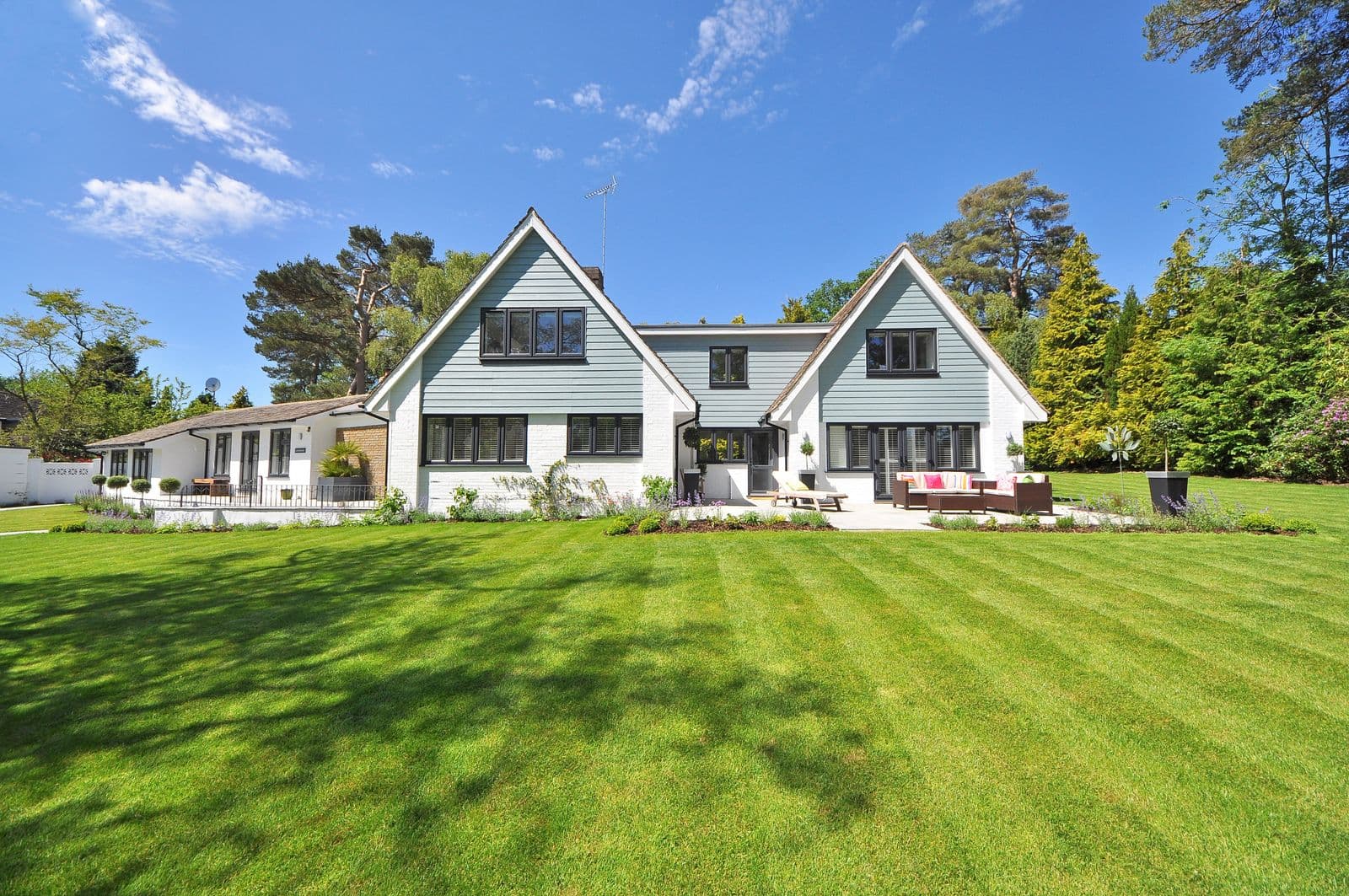
Image: Pexels
The Ministry of Housing, Communities and Local Government published figures in September 2026 showing that 35,910 new homes started on site in England between April and June 2026, according to building control data. The department reported this was a 6 per cent increase compared with the previous quarter and a 20 per cent increase compared with the same quarter of 2025.
The same release reported that 35,800 homes were completed in the second quarter of 2026, a 3 per cent decrease compared with the previous quarter and a 1 per cent increase compared with the same quarter of 2025. In the year to 30 June 2026, new build dwelling starts in England were estimated to be 136,330, a 15 per cent increase when compared to the year to 30 June 2025.
Net additional dwellings and the 1.5 million target
The quarterly indicators release includes an estimate of net additional dwellings, which MHCLG describes as the primary and most comprehensive measure of housing supply. Net additional dwellings include new builds, conversions, changes of use and demolitions. MHCLG reported in September 2026 that it estimated 196,900 net additional homes had been delivered in England between 1 April 2025 and 31 March 2026, and 90,200 net additional homes between 1 April 2026 and 20 September 2026.
The government has set a target to deliver 1.5 million homes in England during the current Parliament. MHCLG estimated in September 2026 that 437,900 net additional homes had been delivered in England between the start of Parliament, on 9 July 2024, and 20 September 2026. The annual net additional dwellings release, which provides the final official count, is expected to be published in November 2026 and will cover the year ending 31 March 2026.
HighlightBuilding control data reported by MHCLG covers around 80 per cent of housebuilding in England. The department uses data from local authority building control, the National House Building Council, other registered building control approvers and the Building Safety Regulator to produce these quarterly statistics.
In January 2026, the Housing Secretary said the government had delivered an estimated 309,600 new homes since the start of Parliament, meaning it had surpassed a fifth of the 1.5 million homes target. The Office for Budget Responsibility stated in November 2025 that the planning reforms announced by the government would not be enough to hit the target, according to a parliamentary debate in January 2026.
Planning system reforms
The government published a new National Planning Policy Framework on 17 August 2026. MHCLG stated that the new framework represents a significant restructuring of national planning policy, providing a clearer distinction between policies for plan-making and those which apply to decision-making. The new decision-making policies took effect on 17 August 2026.
The framework introduces a default yes approach to development around well-connected train, tram and Tube stations within the top 80 Travel to Work Areas by Gross Value Added. It also includes policies to support more intensive use of land, a consistent category for strategic sites of around 1,500 homes or more, and stronger protections for valued community facilities including public houses. The Office for Budget Responsibility estimated in May 2026 that earlier planning reforms, including revised mandatory housing targets published in December 2024, would boost GDP by £6.8 billion by 2029 to 2030 and lead to the highest level of housebuilding in 40 years.
A new local plan system launched in early 2026, introducing a 30-month process with three gateways and digital-first requirements. Local planning authorities can submit plans under the existing system until 31 December 2026, after which both systems will run in parallel. The government stated in February 2025 that fewer than a third of places currently have up-to-date local plans in place, which can lead to speculative, unplanned development.
Affordable housing programmes
The government launched the Social and Affordable Homes Programme 2026 to 2036 in November 2025. MHCLG stated the programme has £39 billion of funding and the ambition is to deliver around 300,000 social and affordable homes over the programme's lifetime, with at least 60 per cent for Social Rent. The Greater London Authority and Homes England published their detailed prospectuses for the fund in November 2025.
Homes England reported in June 2026 that housing programmes it managed resulted in 42,433 new houses starting on site and 40,332 new homes completed between 1 April 2025 and 31 March 2026. This represented an increase in both starts, by 11 per cent, and completions, by 9 per cent, compared to the same period the previous year. Of the completions, 32,243, or 80 per cent, were for affordable homes, a 14 per cent increase on the previous year.
The government announced at the Spending Review in June 2025 that it would make available £2.5 billion of low-interest loans over four years, from 2026 to 2030, to support the delivery of social and affordable housing. The loans will be administered by the National Housing Bank, which is Homes England, and by the Greater London Authority in London, with £1.5 billion allocated to London.
The government also confirmed a ten-year social housing rent settlement from 1 April 2026 permitting rent increases of up to CPI plus 1 per cent each year, and announced over £1 billion of building safety funding between 2026 to 2027 and 2029 to 2030 to accelerate remediation of social housing. These measures are intended to give the sector long-term certainty and rebuild its capacity to borrow and invest in new and existing homes.
What the figures mean for housing supply
The quarterly indicators of new supply are described by MHCLG as a leading indicator of overall housing supply. The department stated the indicators, along with the building control data, provide a suite of information which give a rounded estimate of current trends in housing supply and an indication of what the more complete estimate of housing supply, net additional dwellings, will show when it becomes available in November 2026.
Some housing organisations have noted that delivery remains below the levels needed to meet housing need. In a parliamentary debate in January 2026, peers discussed challenges including escalating costs, weak consumer demand and sites with planning permission that are no longer viable. The government stated it recognises the scale of the challenge and is driving progress through planning reforms and investment in social and affordable housing.
Buyers, sellers, landlords and homeowners looking at how housing supply and planning policy might affect their own circumstances should speak to a qualified, regulated professional for advice tailored to their situation. The planning system covers England only. Scotland has its own planning framework, and Wales and Northern Ireland have separate arrangements.
Sources
Figures in this post come from these publications. Check the originals for the latest position.
- Housing supply: indicators of new supply, England: April to June 2026 (opens in a new tab), Ministry of Housing, Communities and Local Government
- Creating a clear, rules-based planning system (opens in a new tab), Ministry of Housing, Communities and Local Government
- Launching the Social and Affordable Homes Programme 2026 to 2036 (opens in a new tab), Ministry of Housing, Communities and Local Government
- New Homes England 2025 to 2026 housebuilding statistics published (opens in a new tab), Homes England
- January 2026 progress update: Delivering a decade of renewal for social and affordable housing (opens in a new tab), Ministry of Housing, Communities and Local Government
bythenumbers provides general information from published open data. It is not financial, legal, survey or property valuation advice, and figures may be out of date or incomplete. Always check anything that matters to your decision directly with the relevant authority.